Why fast local response matters more than you think in restoration
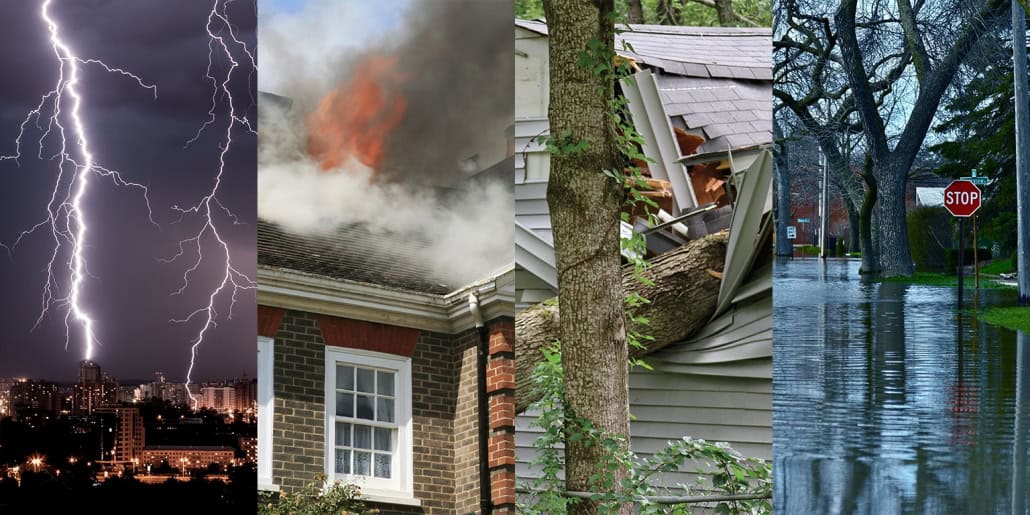
When a pipe bursts, a fire breaks out, or a basement floods, most homeowners assume the biggest factor in how bad the damage gets is the size of the event itself. In reality, one factor matters just as much, if not more: how quickly a qualified team can get on-site and begin work.
Response time isn’t just a convenience metric. It’s one of the clearest predictors of how much damage a property will sustain, how complex the restoration will be, and how much the entire process will ultimately cost.
The First Few Hours Set the Trajectory
Water damage is progressive. The moment water is introduced into a structure, it begins moving into materials that weren’t built to hold it — drywall, subflooring, insulation, framing. The longer that water sits, the further it travels and the more materials become saturated beyond the point of simple drying.
Within the first 24 to 48 hours, conditions are also present for mould growth to begin. This isn’t a worst-case scenario reserved for neglected situations — it’s the standard timeline for how moisture and organic building materials interact. A property that receives a rapid response often needs water extraction and structural drying. The same property, left unattended for several additional hours, can require material removal, mould remediation, and a longer reconstruction timeline.
Fire and smoke damage follow a similar pattern. Soot is acidic and continues etching into surfaces the longer it’s left untreated, and lingering smoke odour becomes progressively harder to fully remove the longer it sits in porous materials like drywall, insulation, and fabric.
What “Local” Actually Means for Response Time
Not every company that advertises 24/7 emergency service can actually deliver a fast on-site response. A national call centre routing your emergency to whichever crew happens to be available — possibly hours away — is a very different experience than a local team that already knows the area, already has equipment staged nearby, and can be at your door quickly.
This is the reasoning behind operating as one brand with multiple local service locations rather than a single centralized team trying to cover a wide geography. A local crew in your region can respond faster because they’re already close, already familiar with the kinds of properties and conditions common to that area, and not waiting on dispatch from somewhere else.
At the same time, being backed by a larger, centralized organization means that local teams aren’t working in isolation. They have consistent training, established processes, and access to equipment and support that a small independent operator often can’t match. You get the responsiveness of a local team with the resources and accountability of a larger company behind them.
The Real Cost of Delay
When response is delayed, the impact tends to show up in a few predictable ways:
- More materials require removal. What could have been dried in place often needs to be torn out and replaced once saturation goes on too long.
- Mould risk increases significantly. A remediation project that could have been avoided with a same-day response can become necessary after a delayed one.
- The reconstruction phase gets longer and more expensive. More removed materials means more to rebuild.
- Insurance claims can become more complicated. Insurers generally expect that reasonable steps were taken to prevent further damage once an issue is discovered. A documented, prompt response supports a claim; unexplained delay can raise questions.
None of this is about creating urgency for its own sake. It’s simply how water, smoke, and moisture behave, and it’s why response time is treated as a critical part of the restoration process rather than an afterthought.
What to Expect When You Call
A fast response starts with a clear, well-handled first call. When you contact a qualified restoration company, they should be able to quickly understand the nature of the emergency, ask the right questions to gauge severity and safety concerns, and dispatch a local team equipped for your specific situation — not a generic crew working from a distance.
From there, the team on-site should be able to begin stabilizing the property immediately: extracting standing water, setting up containment, or taking whatever first steps are appropriate to stop the damage from progressing further while a full assessment and plan are put together.
Restoration Mate: Local Teams, Available 24/7
Restoration Mate operates as one brand with dedicated local teams across Toronto, Scarborough, Vaughan, Durham Region, Newmarket, Caledon, Ottawa, Halifax, New Brunswick, and British Columbia. Every location provides genuine 24/7 emergency response, so when you call, you’re reaching a team that can actually get to your property quickly — not a queue.
Whether it’s water, fire, smoke, mould, or storm damage, the sooner our team arrives, the more we can protect and the less has to be rebuilt.