
Ice Dam Removal in Toronto: How to Prevent Costly Roof Damage This Winter

Winter in Toronto and the Greater Toronto Area brings more than just snow-covered landscapes and skating on frozen ponds. It also brings challenging weather conditions that can wreak havoc on your home—particularly your roof. One of the most destructive yet often overlooked winter hazards facing GTA homeowners is the formation of ice dams.
If you’ve ever noticed large icicles hanging from your roof’s edge or discovered water stains on your ceilings and walls during winter, you’ve likely experienced the effects of ice dams. These formations might look picturesque, but they can cause thousands of dollars in damage to your roof, attic insulation, ceilings, and walls. Understanding what ice dams are, how they form in Toronto’s unique climate, and most importantly, how to prevent them can save you from costly repairs and the headache of dealing with water damage in the middle of winter.
With Toronto experiencing an average of 133 centimeters of snowfall annually and temperatures that frequently fluctuate around the freezing point, our region is particularly susceptible to ice dam formation. Let’s explore how you can protect your home this winter season.
What Are Ice Dams and How Do They Form?
Ice dams are ridges of ice that form at the edge of your roof, preventing melting snow from properly draining off your house. While they might seem like a simple accumulation of ice, the formation process is actually quite complex and directly related to heat loss from your home.
The Science Behind Ice Dam Formation
The process begins inside your home. During Toronto’s cold winter months, heat from your living spaces rises into your attic. If your attic insulation is inadequate or your attic ventilation is poor—common issues in many older GTA homes—this heat warms the roof deck. When the roof surface temperature rises above freezing while outdoor temperatures remain below freezing, the snow on your roof begins to melt.
Here’s where the problem develops: the melted water runs down your roof until it reaches the eaves and overhangs, which extend beyond your home’s heated envelope. Because these areas don’t receive heat from inside your home, they remain at or below freezing temperatures. When the water reaches these cold areas, it refreezes, gradually building up a dam of solid ice.
As more snow melts and more water flows down to this ice barrier, the dam grows larger. Eventually, the ice dam prevents proper drainage, causing water to pool behind it. This standing water has nowhere to go except under your shingles, where it can seep into your home through gaps and cracks.
Toronto’s Climate: The Perfect Storm for Ice Dams
Toronto’s winter weather creates ideal conditions for ice dam formation. Our region experiences frequent temperature fluctuations, with daytime temperatures often rising above freezing while nighttime temperatures drop well below. This freeze-thaw cycle is particularly problematic for ice dam development.
Additionally, Toronto receives significant snowfall throughout the winter, providing ample material for melting and refreezing. The combination of heavy snow accumulation, fluctuating temperatures, and the prevalence of older homes with varying levels of insulation makes the GTA especially vulnerable to ice dam issues.
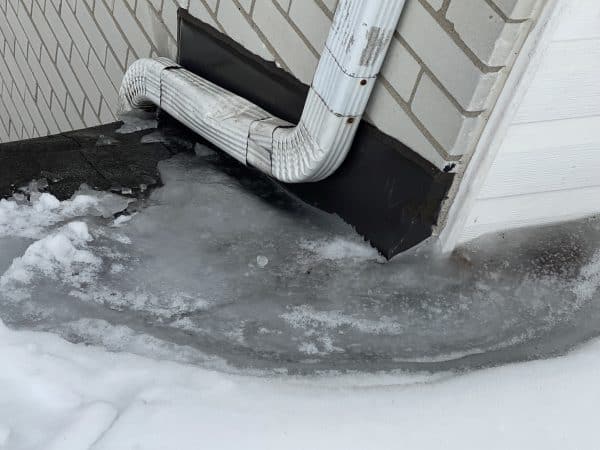
The Hidden Dangers: How Ice Dams Damage Your Roof and Home
Many homeowners underestimate the severity of ice dam damage until they’re facing expensive repairs. The destruction these frozen formations can cause extends far beyond your roof, affecting multiple aspects of your home’s structure and interior.
Roof and Structural Damage
When water backs up behind an ice dam, it finds its way under your shingles—an area designed to shed water, not hold it. This water infiltration can cause significant damage including deterioration of roof decking where prolonged exposure to moisture causes wood rot, compromised roof shingles that become loose, cracked, or damaged, torn or damaged underlayment beneath the shingles, and damaged fascia and soffit boards along your roof’s edge.
In severe cases, the weight of large ice dams can also cause structural stress to your roof’s edge and gutter system. Toronto winters can produce ice dams weighing hundreds of pounds, potentially causing gutters to tear away from your home or roof edges to sag.
Interior Water Damage
Once water penetrates your roof’s protective barrier, it doesn’t stop at the roof deck. Water can travel along rafters and attic floor joists, causing damage far from where it initially entered. Homeowners often discover water stains on ceilings and walls, saturated attic insulation that loses its effectiveness, peeling paint and wallpaper, and in extreme cases, structural wood damage requiring extensive repairs.
Mold and Health Concerns
Perhaps the most insidious damage from ice dams is what you can’t immediately see. Water infiltration creates the perfect environment for mold growth in your attic, walls, and ceiling cavities. In Toronto’s indoor winter conditions, where homes are sealed tight against the cold, mold can proliferate quickly in these hidden, damp areas.
Mold resulting from ice dam damage can lead to respiratory issues for occupants, property damage that extends beyond the initial water intrusion, decreased indoor air quality throughout your home, and costly remediation requirements to properly address the contamination.
The Financial Impact
According to insurance industry data, ice dam damage claims can range from a few thousand dollars for minor repairs to over fifty thousand dollars for extensive damage requiring roof replacement, interior restoration, and mold remediation. Many homeowners are surprised to learn that their insurance coverage may have limitations or exclusions for ice dam damage, particularly if the damage is deemed to result from inadequate home maintenance.
Prevention Strategies: Protecting Your Toronto Home From Ice Dams
The best approach to ice dam problems is prevention. By taking proactive steps before winter arrives, you can significantly reduce your risk of ice dam formation and the costly damage they cause.
Improve Attic Insulation
One of the most effective long-term solutions is ensuring your attic has adequate insulation. The Ontario Building Code requires minimum insulation values (R-value) for attic spaces, with current standards calling for R-50 or higher in most residential applications. Many older Toronto homes fall short of this requirement.
Proper insulation serves as a thermal barrier that keeps heat in your living spaces where it belongs, rather than allowing it to escape into your attic and warm your roof deck. When evaluating your attic insulation, check the insulation depth and type, look for gaps or thin spots where insulation is compressed or missing, and ensure insulation doesn’t block soffit vents, which would impair ventilation.
Enhance Attic Ventilation
Proper attic ventilation works hand-in-hand with insulation to maintain a cold roof deck in winter. A well-ventilated attic allows cold outdoor air to circulate, keeping the roof surface at or near outdoor temperatures and preventing snow melt.
Effective attic ventilation includes adequate soffit vents along the eaves to bring fresh air into the attic, ridge vents or other exhaust vents at the roof peak to allow warm air to escape, and clear pathways for air to flow from soffit to ridge without obstruction from insulation.
The Ontario Building Code specifies ventilation requirements based on attic square footage. A qualified contractor can assess whether your current ventilation meets these standards.
Install Heat Cables for Harsh Toronto Winters
For homes particularly susceptible to ice dams—such as those with complex roof designs, northern exposures, or inadequate attic insulation that can’t easily be upgraded—heat cables (also called heat tape or roof deicing cables) offer an effective preventive solution.
Heat cables are electrical heating elements installed along your roof’s edge and in valleys where ice dams typically form. When activated, these cables create channels for water to drain, preventing ice buildup. For Toronto’s harsh winters, heat cables can be especially valuable on roofs that consistently develop ice dams despite other preventive measures.
Benefits of Heat Cable Installation:
- Provides targeted ice prevention in problem areas
- Can be activated before or during snowfall events
- Protects vulnerable roof sections like valleys and eaves
- Relatively affordable compared to major ice dam damage repairs
- Can be professionally installed or, for handy homeowners, installed as a DIY project
Important Considerations:
When considering heat cables for your Toronto home, keep in mind that they require electrical power, which increases winter energy costs. They should be installed by a qualified electrician to ensure safe wiring and proper placement. Heat cables work best as part of a comprehensive prevention strategy, not as a standalone solution, and they require seasonal installation and removal unless you opt for permanent systems.
Regular Roof Maintenance
Simple maintenance tasks performed throughout the year can reduce ice dam risk. Remove leaves and debris from gutters and downspouts before winter to ensure proper drainage, trim overhanging tree branches that could drop snow or debris on your roof, inspect and repair damaged or missing shingles before cold weather arrives, and ensure proper flashing around chimneys, vents, and other roof penetrations.
Strategic Snow Removal
After heavy Toronto snowfalls, removing excess snow from your roof can prevent the source material for ice dam formation. Using a roof rake—a long-handled tool that allows you to safely remove snow while standing on the ground—you can clear the bottom four to six feet of your roof, eliminating the snow that would otherwise melt and create ice dams.
Exercise caution when removing snow: never use metal tools that could damage shingles, avoid getting on your roof in winter conditions, which is dangerous, work carefully around power lines and electrical connections, and consider hiring professionals for safe removal if accumulation is significant.
Safe and Effective Ice Dam Removal Methods
Despite your best prevention efforts, ice dams can still form during particularly harsh Toronto winters. When they do, prompt and proper removal is essential to minimize damage.
What NOT to Do
Before discussing safe removal methods, it’s critical to understand dangerous practices that can make the situation worse. Never use sharp tools like ice picks, chisels, or axes to chip away at ice dams, as these can puncture your roof and cause immediate, severe damage. Avoid pouring hot water on ice dams, as this can crack shingles from thermal shock and simply creates more water that will refreeze. Don’t attempt to climb on an icy, snow-covered roof, as this presents serious safety risks including falls and injury.
Professional Steam Removal
The safest and most effective ice dam removal method is professional steam removal. Experienced restoration companies in Toronto use specialized low-pressure steam equipment that melts ice dams without damaging your roof. Steam removal carefully cuts channels through the ice dam to allow trapped water to drain, completely removes the ice dam in sections, and protects your shingles and roof deck from damage.
While professional removal has a cost, it’s far less expensive than repairing roof damage caused by improper DIY removal attempts or water damage from leaving ice dams in place.
Temporary DIY Solutions
If you’re experiencing active leaking from an ice dam and can’t immediately access professional help, you can create temporary drainage channels using calcium chloride ice melt in a nylon stocking or tube sock. Place the filled sock perpendicular to the roof edge, across the ice dam, and the slowly melting ice melt will create a channel for water drainage.
This is only a temporary measure and doesn’t remove the ice dam itself, but it can provide relief until professional help arrives. Never use rock salt, which can damage your roof and landscaping below.
When to Call a Professional Restoration Company
Given the complexity of ice dam issues and the potential for serious damage, knowing when to call in professionals can save you money and protect your home.
Signs You Need Professional Help
Contact a restoration company immediately if you notice water stains appearing on your ceilings or walls during winter, active dripping or leaking from ceiling fixtures or edges, large ice dams forming along your roof edge, icicles larger than a few inches forming continuously despite melting, or visible sagging in your roof or gutters from ice weight.
The Restoration Mate Advantage
With over 15 years of experience serving the Greater Toronto Area, Restoration Mate understands the unique challenges Toronto winters present for homeowners. Our team provides comprehensive restoration solutions that go beyond simply removing ice dams. We assess the underlying causes, address water damage if it has already occurred, and provide guidance on preventing future ice dam formation.
Our restoration services include safe ice dam removal using professional equipment, water damage assessment and restoration if interior damage has occurred, mold inspection and remediation if moisture has led to mold growth, and consultation on prevention strategies including insulation, ventilation, and heat cable installation.
Don’t Wait Until Damage Occurs
Ice dams are progressive problems that worsen the longer they remain. What starts as a small ridge of ice can quickly grow into a major dam causing active leaks. Early intervention prevents minor issues from becoming major restoration projects.
If you notice ice dam formation on your Toronto-area home, contact Restoration Mate for professional assessment and removal. Our experienced team can quickly evaluate your situation, safely remove existing ice dams, and help you implement prevention strategies to protect your home for future winters.
Your roof is your home’s first line of defense against Toronto’s harsh winter weather. Don’t let ice dams compromise that protection. Reach out to Restoration Mate today to ensure your home stays dry, safe, and damage-free all winter long.


Leave a Reply
Want to join the discussion?Feel free to contribute!