
What Are Signs Of Mold Sickness
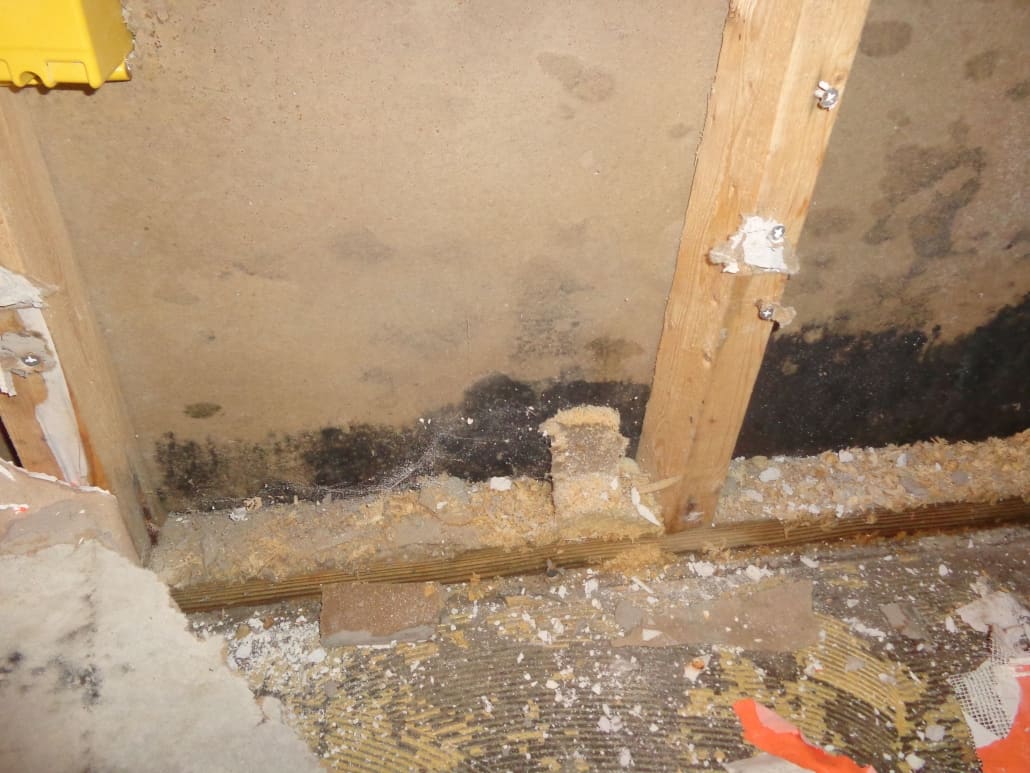
Living in the Greater Toronto Area means dealing with unique environmental challenges that many homeowners and business owners don’t fully understand. Between our humid summers, freeze-thaw cycles in winter, and aging building infrastructure, Toronto properties face constant moisture battles. One of the most concerning yet often overlooked consequences of these conditions is mold growth and the health issues it can cause.
Mold sickness is a real health concern that affects thousands of people across Toronto and the GTA every year, yet many suffer without realizing the true cause of their symptoms. Unlike a sudden illness with obvious origins, mold-related health issues develop gradually and mirror other common ailments, making them particularly difficult to identify. Understanding the signs of mold sickness isn’t just about protecting your health—it’s about recognizing when your indoor air quality has been compromised and taking action before the problem worsens.
Understanding Mold Sickness and Its Impact on Indoor Air Quality
Mold sickness, medically known as mold toxicity or mold-related illness, occurs when individuals are exposed to mold spores and mycotoxins over extended periods. In Toronto’s climate, where humidity levels can soar during summer months and condensation builds up during winter, homes and businesses become prime environments for mold growth. Basements, bathrooms, attics, and areas affected by water damage are particularly vulnerable.
How Mold Affects Your Health
When mold colonies establish themselves in your property, they release microscopic spores and toxic compounds into the air. These particles become part of the air you breathe every day, compromising your indoor air quality. For many Toronto residents, their homes or offices become sources of continuous exposure without their knowledge.
The human body responds to these invaders in various ways, depending on factors like:
- Duration and intensity of exposure
- Individual immune system strength
- Pre-existing respiratory conditions
- Age and overall health status
- Specific mold species present in the environment
Not everyone exposed to mold will develop severe symptoms, but vulnerable populations—including children, elderly individuals, and those with compromised immune systems—face heightened risks. This is particularly concerning for the GTA’s diverse population, where multi-generational households are common.
The Toronto Factor
Toronto’s weather patterns create ideal conditions for mold growth. Our humid summers with temperatures regularly exceeding 25°C, combined with spring flooding events and winter condensation issues, mean that moisture problems are a year-round concern. Older homes in neighborhoods like The Beaches, High Park, and the Annex often have inadequate ventilation systems, while newer condos in downtown Toronto can experience humidity issues due to modern building envelope designs.
Common Signs and Symptoms of Mold Sickness
Recognizing mold sickness requires attention to patterns in your symptoms, particularly whether they improve when you’re away from the affected environment. Here are the most common indicators that mold may be affecting your health:
Respiratory Symptoms
The respiratory system is typically the first to show signs of mold exposure, as spores are directly inhaled:
- Persistent coughing that doesn’t respond to typical cold treatments
- Wheezing or difficulty breathing, especially at night
- Frequent sneezing and nasal congestion
- Chronic sinus infections or sinusitis
- Shortness of breath during normal activities
- Chest tightness or discomfort
- Increased asthma symptoms or new-onset asthma-like reactions
Many Toronto residents attribute these symptoms to seasonal allergies, particularly during ragweed season in late summer and fall. However, if symptoms persist year-round or worsen when you’re indoors, mold could be the culprit.
Neurological and Cognitive Symptoms
One of the most overlooked aspects of mold sickness involves its impact on brain function and mental clarity:
- Brain fog or difficulty concentrating
- Memory problems, particularly short-term memory issues
- Headaches or migraines without clear triggers
- Dizziness or feelings of disorientation
- Mood changes, including anxiety and depression
- Numbness or tingling in extremities
- Difficulty finding words or following conversations
These symptoms are particularly troubling for professionals working from home in Toronto condos or older office buildings, where indoor air quality issues often go unaddressed.
Physical and Systemic Symptoms
Mold exposure can trigger widespread bodily responses:
- Chronic fatigue that doesn’t improve with rest
- Muscle aches and joint pain
- Unexplained skin rashes or irritation
- Eye irritation, redness, or watery eyes
- Sensitivity to light
- Digestive issues including nausea or appetite changes
- Frequent urination or increased thirst
- Temperature regulation difficulties
Pattern Recognition
The key to identifying mold sickness often lies in recognizing patterns. Do your symptoms:
- Improve when you’re away from home or the office?
- Worsen during humid weather or after rain?
- Affect multiple family members or coworkers?
- Persist despite medical treatments for other conditions?
- Coincide with visible mold growth or musty odors in your space?
If you answered yes to several of these questions, it’s time to consider whether poor indoor air quality and mold exposure might be affecting your health.
Why Mold Sickness Is Often Misdiagnosed
The challenge with mold-related illness is that its symptoms closely resemble numerous other health conditions, leading to frequent misdiagnosis and ineffective treatments. Understanding why this happens can help you advocate for proper testing and solutions.
Symptom Overlap With Common Conditions
Mold sickness symptoms mirror those of many other ailments:
Allergies and Hay Fever: Respiratory symptoms from mold exposure look identical to seasonal allergies. In the GTA, where pollen counts are high from April through October, doctors often attribute symptoms to outdoor allergens without considering indoor air quality issues.
Common Cold and Flu: The persistent coughing, congestion, and fatigue associated with mold exposure can be mistaken for recurring viral infections. If you find yourself “catching colds” frequently, especially in your own home, mold might be the real issue.
Chronic Fatigue Syndrome: The exhaustion caused by mold toxicity shares characteristics with chronic fatigue syndrome, leading some individuals down a path of extensive medical testing without addressing the environmental cause.
Anxiety and Depression: The neurological effects of mold exposure can manifest as mood disorders. Many people receive mental health diagnoses without anyone investigating potential environmental triggers affecting their indoor air quality.
Migraines: Chronic headaches from mold exposure are often treated as primary headache disorders when they’re actually a symptom of ongoing environmental exposure.
The Diagnostic Challenge
Standard medical tests don’t typically screen for mold exposure. Blood work, X-rays, and routine examinations may all come back normal, leaving patients frustrated and seeking answers. Unless a healthcare provider specifically considers environmental factors and orders specialized mold sensitivity testing, the connection may never be made.
The Gradual Onset Factor
Unlike food poisoning or an acute allergic reaction, mold sickness develops slowly. Your body adapts to chronic exposure, and symptoms may feel like “just the way you are” rather than a treatable condition. This is especially common in Toronto homes where mold has been growing undetected for months or years, perhaps following an old pipe leak or basement flooding that wasn’t properly remediated.
Limited Awareness
Despite growing recognition in the medical community, many healthcare providers still don’t routinely consider mold as a potential cause of chronic symptoms. This is slowly changing, but it means patients often need to be proactive in suggesting environmental factors to their doctors.
When to Seek Professional Mold Testing and Restoration Services
If you suspect mold is affecting your health or indoor air quality, taking action promptly can prevent both health complications and property damage from worsening. Here’s what you need to know about addressing mold concerns in your Toronto or GTA property.
Signs You Need a Professional Mold Testing Company
Consider contacting a professional mold testing company if you notice:
- Visible mold growth anywhere in your property
- A persistent musty or earthy odor, even without visible mold
- History of water damage, flooding, or plumbing leaks
- Condensation on windows or walls, particularly in winter
- Health symptoms that improve when you leave the building
- Recent renovations that may have disturbed hidden mold
The Importance of Professional Assessment
While DIY mold test kits are available, they often provide incomplete or misleading results. A qualified mold testing company in Toronto can:
- Conduct comprehensive air quality testing to measure spore levels
- Identify specific mold species present in your environment
- Locate hidden mold behind walls, under flooring, or in HVAC systems
- Assess moisture levels and identify sources of ongoing water intrusion
- Provide detailed reports for insurance claims or health providers
- Recommend appropriate remediation strategies
Why Experience Matters in Mold Remediation
Mold removal isn’t a simple cleaning job. Improper remediation can actually spread spores throughout your property, worsening indoor air quality and health effects. With over 15 years of experience serving the Greater Toronto Area, professional restoration companies understand:
- Proper containment procedures to prevent cross-contamination
- Safe removal techniques that comply with industry standards
- How to address underlying moisture issues to prevent recurrence
- The relationship between water damage, fire damage, and mold growth
- Local building codes and requirements specific to Toronto properties
Taking the Next Step
If you’re experiencing symptoms of mold sickness or have concerns about your indoor air quality, don’t wait for the problem to escalate. The longer mold remains in your environment, the more extensive the damage becomes—to both your health and your property.
Professional mold testing and remediation services can provide the answers you need and restore your home or business to a safe, healthy state. Whether you’re dealing with basement moisture issues common in Toronto’s older neighborhoods, condo humidity problems, or mold growth following water damage, experienced restoration professionals can develop a comprehensive solution tailored to your specific situation.
Your health and the safety of your indoor environment are too important to leave to chance. If mold sickness symptoms sound familiar, consider reaching out to a qualified mold testing company in Toronto to assess your property and help you breathe easier again.
Restoration Mate has been serving Toronto and the Greater Toronto Area for over 15 years, providing expert mold testing, water damage restoration, fire damage restoration, and comprehensive remediation services. Our experienced team understands the unique challenges facing GTA properties and can help restore your indoor air quality and peace of mind. Contact us today for a professional assessment of your property.

Leave a Reply
Want to join the discussion?Feel free to contribute!