Toronto Mold Prevention Tips: How to Keep Your Home Mold-Free
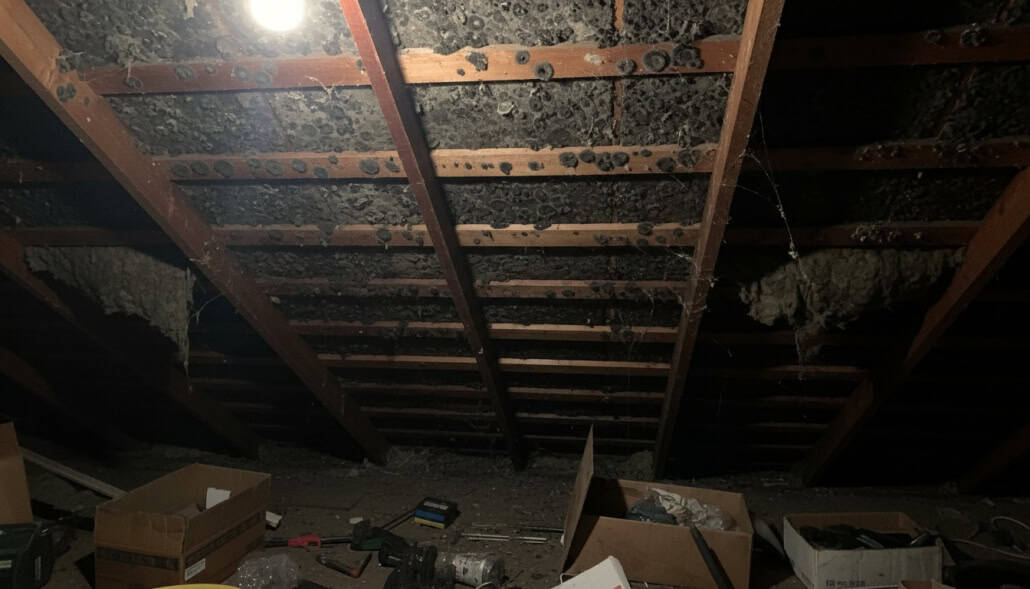
Keeping a Toronto home mould-free is an active undertaking not a passive one. The city’s climate, the age of its housing stock, and the particular moisture pressures that come with Canadian winters, spring snowmelt, and humid summers create conditions where mould can develop in almost any part of a home if the right precautions aren’t in place.
The good news is that mould is almost always preventable when you understand what it needs to grow and take consistent steps to deny it those conditions. Mould requires moisture, an organic food source, and time. Remove moisture from the equation, and mould cannot establish itself regardless of what else is present.
This guide covers the whole home not just the basement because mould doesn’t limit itself to one area. Every room, every system, and every season presents its own set of risks that are worth understanding and managing.
Start With the Basics: Moisture Is Always the Root Cause
Before getting into room-by-room and system-specific tips, it’s worth reinforcing the single most important principle in mould prevention: moisture is always the root cause.
Every tip in this guide connects back to that reality. Whether you’re improving bathroom ventilation, maintaining your roof, or inspecting your HVAC system, the goal in every case is to identify and eliminate sources of moisture before they have time to create the conditions mould needs to grow. Keep this principle in mind and the rationale behind each recommendation will be clear.
Bathrooms
Bathrooms are among the highest-risk rooms in any home for mould development. Hot showers generate significant steam, surfaces stay wet after use, and grout lines and caulking provide porous surfaces where mould can take hold quickly if moisture isn’t managed properly.
Practical steps for bathroom mould prevention:
- Run the exhaust fan during and after every shower or bath — and make sure it’s actually venting to the outside, not into the attic or wall cavity. A fan that exhausts into an enclosed space is circulating moisture rather than removing it.
- Leave the fan running for at least 15 to 20 minutes after you finish showering — steam continues to circulate in the room after the water is off, and shutting the fan down immediately limits its effectiveness.
- Inspect grout and caulking regularly for cracks, gaps, or discolouration. Failed caulking around tubs, showers, and sinks allows water to penetrate behind tile and into wall materials — one of the most common sources of hidden bathroom mould.
- Squeegee shower walls after use to reduce the amount of moisture that evaporates into the room.
- Leave the bathroom door open after showering when possible to allow air circulation to help dry the space.
- Check under sinks regularly for slow drips or condensation on supply lines.
Kitchens
Kitchens generate moisture through cooking, dishwashing, and the constant use of water at the sink. Like bathrooms, they require active ventilation and regular inspection to stay mould-free.
Key kitchen mould prevention habits:
- Use the range hood exhaust fan when cooking — particularly when boiling water or using the stovetop for extended periods. Steam from cooking is a meaningful source of indoor humidity.
- Inspect under the kitchen sink frequently — this is one of the most common locations for slow, undetected pipe leaks. Even a minor drip that goes unnoticed for weeks can saturate the cabinet base and surrounding materials enough to support mould growth.
- Check the seal around the kitchen sink where it meets the countertop. Gaps in the caulking allow water to seep underneath and into the cabinet below.
- Ensure your dishwasher drain line and connections are secure and not slowly dripping at the connection point under the sink.
- Don’t leave wet dishcloths, sponges, or mop heads in enclosed spaces — these are ideal conditions for mould and mildew to develop and, left long enough, can contribute to broader air quality issues.
Attics
The attic is one of the most frequently overlooked areas of a home when it comes to mould prevention and one of the most common locations where significant mould growth goes undetected for extended periods.
Attic mould in Toronto homes most commonly results from two sources: inadequate ventilation and bathroom or kitchen exhaust fans that vent into the attic space rather than outside. Both create elevated humidity in an enclosed, rarely visited area exactly the conditions where mould can develop extensively before anyone notices.
How to reduce attic mould risk:
- Confirm that all exhaust fans vent directly to the outside — not into the attic. This is a surprisingly common installation error in older Toronto homes and is one of the leading causes of attic mould we encounter.
- Ensure your attic has adequate ventilation — a combination of soffit vents at the eaves and ridge vents or roof vents at the top allows air to flow through the attic continuously, preventing moisture from accumulating.
- Inspect attic insulation to confirm it is not blocking soffit vents, which restricts airflow and contributes to moisture buildup.
- Check for roof leaks around chimneys, plumbing stacks, skylights, and any penetrations in the roof deck. Even minor leaks that don’t produce visible dripping inside the home can introduce enough moisture to support mould growth in the attic insulation and sheathing.
- Inspect your attic at least once a year — ideally in late fall before winter and again in early spring. Look for discolouration on the underside of the roof sheathing, staining around any penetrations, and any signs of moisture on insulation.
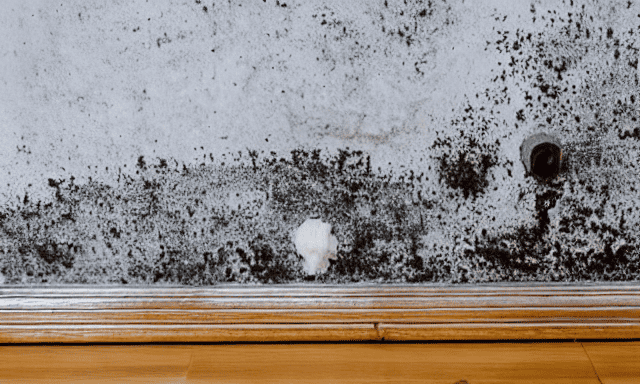
Crawlspaces
Homes in Toronto with crawlspaces face a particular challenge these spaces are often poorly ventilated, in direct contact with the ground, and rarely inspected. They are among the most common locations for serious, long-standing mould problems.
Crawlspace mould prevention steps:
- Install a vapour barrier on the ground surface if one is not already in place. A proper ground cover prevents soil moisture from evaporating directly into the crawlspace air.
- Ensure adequate ventilation — vented crawlspaces require sufficient vent openings to allow moisture-laden air to escape.
- Check for standing water or signs of water intrusion after heavy rain or during snowmelt season.
- Inspect insulation between floor joists for signs of moisture, staining, or deterioration.
- Check that any plumbing running through the crawlspace is intact and not dripping.
If your crawlspace has a history of moisture problems, a professional assessment of the space and a discussion about encapsulation options may be worthwhile.
HVAC Systems and Ductwork
Your home’s heating and cooling system circulates air throughout every room which means that if mould is present in any part of the system, spores can be distributed throughout your entire home every time the system runs.
HVAC-related mould prevention:
- Change furnace and air handler filters regularly — every one to three months depending on your household. A clogged filter reduces airflow and allows moisture and particles to accumulate in the system.
- Inspect the area around your air handler for signs of condensation or water accumulation. The drain pan beneath the evaporator coil should be clear and draining properly.
- Have your ductwork professionally inspected and cleaned periodically — particularly if you have experienced water damage or suspect mould has been present in your home.
- Ensure your air conditioning system is properly sized and functioning — an oversized AC unit that short-cycles doesn’t run long enough to adequately dehumidify your home, leaving elevated indoor humidity even when the temperature feels comfortable.
- Consider a whole-home humidistat to monitor and control indoor humidity levels across all seasons, not just summer.
Windows and Exterior Walls
Window condensation is a common and often dismissed source of moisture in Toronto homes during the winter months. When warm, humid interior air meets cold glass, it condenses and if that moisture regularly drips onto window sills, frames, or surrounding drywall, it creates the conditions for mould to develop in those areas.
Preventing window-related moisture and mould:
- Wipe down condensation on windows and sills on cold days when it is present, rather than allowing it to sit and repeatedly saturate the surrounding materials.
- Inspect window frames and sills for soft spots, paint bubbling, or discolouration — signs that moisture has been penetrating the material over time.
- Check the caulking and weatherstripping around all exterior windows and doors annually. Gaps and failed seals allow both air and water infiltration that can affect surrounding wall materials.
- Ensure curtains and blinds don’t trap humid air against window glass by allowing some airflow between window coverings and the glass surface.
Laundry Areas
Laundry rooms and spaces with washing machines are another commonly overlooked moisture source. A slow leak behind the washing machine, a dryer that vents into the wall rather than outside, or simply the humidity generated by a running dryer can all contribute to mould conditions over time.
Laundry area prevention tips:
- Confirm your dryer vents to the outside and that the vent line is clear of lint buildup, which restricts airflow and causes moisture and heat to back up into the room.
- Inspect washing machine hose connections regularly for drips, bulging, or wear. Washing machine supply hose failures are a common source of significant water damage.
- Don’t leave wet laundry sitting in the washing machine or in a hamper for extended periods damp fabric in an enclosed space is a ready environment for mould and mildew.
- Check the area behind and under the washing machine periodically for any signs of slow leaking.
The Whole-Home Approach: Seasonal Habits That Make a Difference
Beyond individual rooms and systems, a few seasonal habits applied consistently across the whole home go a long way toward keeping mould at bay in Toronto’s variable climate.
Spring — Inspect the full perimeter of your foundation after snowmelt. Check basement walls for seepage or new cracks. Test your sump pump. Clean gutters and confirm downspouts are directing water away from the house. Check the attic for any winter moisture issues.
Summer — Run a dehumidifier in the basement. Monitor indoor humidity levels, particularly during humid stretches. Ensure air conditioning is functioning properly. Check crawlspaces for moisture after heavy rainfall.
Fall — Clean gutters again after leaves have dropped. Inspect window caulking and exterior seals before winter. Check that exhaust fans are venting properly before the windows close for the season. Inspect the roof for any damage before winter loading begins.
Winter — Monitor windows for condensation and address it when present. Keep indoor humidity at appropriate levels the colder it is outside, the lower indoor humidity should be kept to prevent condensation on cold surfaces. Ensure any water pipes in exterior walls or unheated spaces are protected from freezing.
When Prevention Isn’t Enough
Consistent preventive habits will dramatically reduce the risk of mould in your home. But older properties, homes with chronic moisture challenges, or situations involving past water damage that wasn’t fully addressed can present conditions that go beyond what maintenance alone can manage.
If you notice persistent musty odours, visible growth, unexplained allergy symptoms that are worse indoors, or any history of water damage that you’re not confident was fully dried and treated, having a professional assess your home is the right next step.
Restoration Mate provides mould assessments, full-service mould remediation, and moisture investigations for residential and commercial properties across Toronto and all of our service locations. Our teams are available 24 hours a day, every day of the year.