
What Are The Signs Of Mold Toxicity?
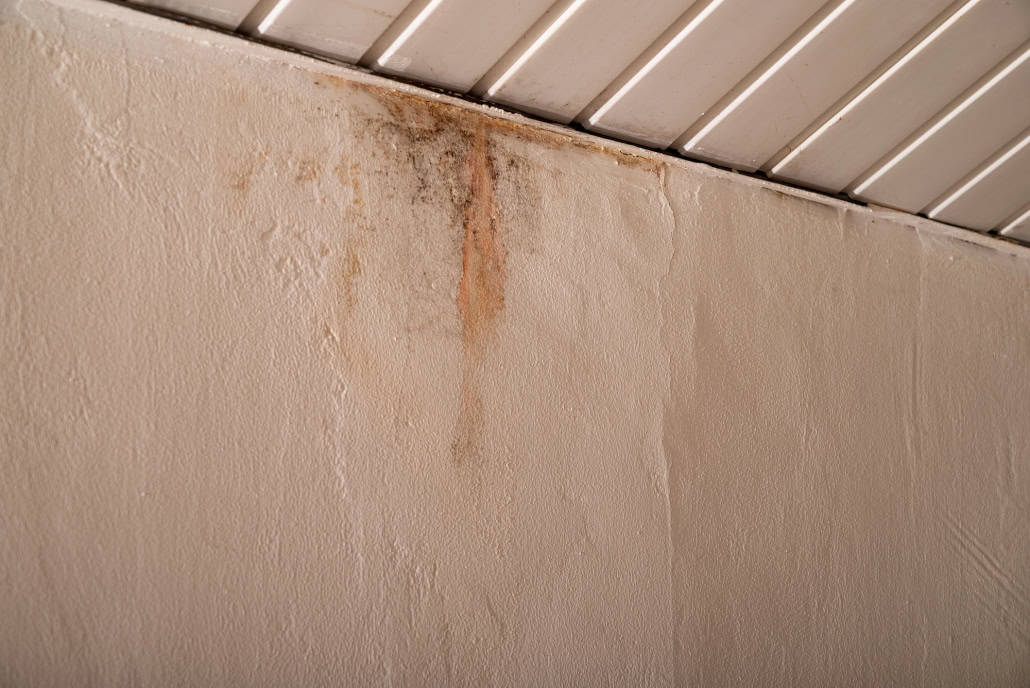
If you’ve noticed a musty smell in your Toronto home or spotted dark patches on your walls, you might be dealing with more than just an aesthetic problem. Mold growth is a common issue for homeowners across the Greater Toronto Area, particularly given our region’s humid summers and the temperature fluctuations that come with seasonal changes. But beyond the visible damage, mold can pose serious health risks through a condition known as mold toxicity.
Understanding the signs of mold toxicity is crucial for protecting your family’s health and your property’s integrity. In this guide, we’ll explore what mold toxicity is, how to recognize its symptoms, the common causes specific to Toronto homes, and when it’s time to contact a professional mold testing company.
Understanding Mold Toxicity: What Is It?
Mold toxicity, also called mold illness or Chronic Inflammatory Response Syndrome (CIRS), occurs when prolonged exposure to mold spores and mycotoxins triggers a range of health problems. Not all molds are equally toxic, but certain species—particularly black mold (Stachybotrys chartarum)—produce mycotoxins that can cause significant health issues when inhaled or touched over extended periods.
In Toronto’s climate, where we experience high humidity levels during summer months (often reaching 70-80%) and moisture accumulation from snow melt in spring, mold finds ideal conditions to thrive. Older homes in neighborhoods like The Beaches, High Park, and East York can be particularly vulnerable due to aging infrastructure and basement moisture issues common in the GTA.
How Mold Affects Your Health
When mold spores become airborne, they can be inhaled into your respiratory system. For some individuals, especially those with allergies, asthma, or compromised immune systems, this exposure can trigger immediate reactions. For others, the effects are more subtle and develop over time as toxins accumulate in the body.
The severity of mold toxicity symptoms varies based on several factors:
- The type and concentration of mold present
- Duration of exposure
- Individual sensitivity and existing health conditions
- Ventilation quality in your home

Common Signs and Symptoms of Mold Toxicity
Recognizing mold toxicity can be challenging because its symptoms often mimic other common illnesses. Many Toronto residents initially attribute these symptoms to seasonal allergies, the common cold, or winter air quality issues from heating systems. However, if symptoms persist or worsen when you’re at home and improve when you’re away, mold toxicity should be considered.
Respiratory Symptoms
The most common indicators of mold exposure affect the respiratory system:
- Persistent coughing and wheezing that doesn’t respond to typical cold remedies
- Shortness of breath or difficulty breathing, especially in certain rooms
- Sinus congestion and chronic sinus infections that recur frequently
- Sore throat and irritation that seems to linger indefinitely
- Asthma attacks or worsening asthma symptoms in those already diagnosed
Neurological and Cognitive Symptoms
One of the more concerning aspects of mold toxicity is its impact on brain function:
- Brain fog and difficulty concentrating on everyday tasks
- Memory problems, particularly short-term memory issues
- Headaches or migraines that occur more frequently at home
- Dizziness and balance problems
- Mood changes, including increased anxiety or depression
- Numbness and tingling in extremities
Physical and Systemic Symptoms
Mold toxicity can affect your entire body, causing:
- Chronic fatigue that doesn’t improve with rest
- Muscle aches and joint pain without clear cause
- Skin rashes or irritation, particularly after contact with affected areas
- Eye irritation, redness, or watery eyes
- Digestive issues, including nausea and abdominal discomfort
- Increased sensitivity to light and sound
- Unexplained weight gain or difficulty losing weight
If you or your family members are experiencing multiple symptoms from this list, it’s important to consider mold as a potential cause and seek professional mold testing.
Common Causes of Mold Growth in Toronto Homes
Understanding what causes mold growth in the GTA is the first step toward prevention. Toronto’s unique climate and housing characteristics create specific vulnerabilities that homeowners should be aware of.
Water Damage and Leaks
Water intrusion is the number one cause of mold growth. In Toronto, this can result from:
- Basement flooding, particularly common in older Toronto neighborhoods during heavy spring rains or rapid snow melt
- Roof leaks exacerbated by ice dams during winter months
- Plumbing failures in aging homes, especially in areas like the Annex, Leslieville, or Riverdale where housing stock dates back decades
- Foundation cracks that allow groundwater seepage
- Window and door seal failures due to temperature extremes
High Humidity and Poor Ventilation
Toronto’s humid summers create perfect conditions for mold growth:
- Inadequate bathroom ventilation leading to moisture accumulation
- Poorly ventilated basements, a common issue in Toronto’s many older homes
- Clothes dryer venting problems that release moisture indoors
- Lack of air circulation in closets, attics, and storage areas
- Excessive indoor humidity during summer months when air conditioning usage varies
Condensation Issues
The dramatic temperature swings between Toronto’s cold winters and hot summers can cause:
- Window condensation on single-pane windows or poorly insulated frames
- Cold water pipes that “sweat” during humid weather
- Poor insulation in attics and walls, leading to condensation in wall cavities
- Temperature differentials between heated and unheated spaces
Storm and Weather Damage
The GTA experiences various weather events that can lead to moisture problems:
- Ice storms causing roof damage and ice dam formation
- Heavy rainstorms overwhelming drainage systems
- Wind damage that compromises roof integrity
- Freeze-thaw cycles creating foundation and exterior wall cracks
According to Ontario’s building codes and standards, proper moisture management and ventilation are essential for preventing mold growth. However, many older Toronto homes predate current building standards, making them more susceptible to moisture issues and subsequent mold growth.
When to Call a Mold Testing Company
If you suspect mold toxicity or have noticed signs of mold growth in your home, professional assessment is crucial. While some minor surface mold can be cleaned by homeowners, hidden mold or extensive contamination requires expert evaluation and mold remediation.
Signs You Need Professional Mold Testing
Contact a mold testing company if you experience any of the following:
- Visible mold growth covering more than 10 square feet
- Persistent musty odors without an identifiable source
- Health symptoms that improve when away from home
- Recent water damage or flooding events
- History of moisture problems in your home
- Unknown sources of mold (you can smell it but can’t see it)
- Buying or selling a home in the Toronto area, especially older properties
The Mold Testing and Remediation Process
A professional mold testing company follows a systematic approach:
Initial Assessment: Experienced technicians conduct a thorough inspection of your property, identifying visible mold and potential problem areas. They’ll check common trouble spots like basements, bathrooms, attics, and areas around windows and doors.
Moisture Detection: Using specialized equipment, professionals identify moisture sources and measure humidity levels throughout your home to pinpoint why mold is growing.
Air and Surface Sampling: Laboratory testing determines the type and concentration of mold present, which is essential for developing an effective remediation plan.
Comprehensive Remediation Plan: Based on testing results, a detailed plan addresses both mold removal and the underlying moisture issues to prevent recurrence.
Professional Mold Remediation: Certified technicians safely remove mold using proper containment methods, specialized equipment, and proven techniques that protect your home and health.
Prevention Recommendations: Guidance on improving ventilation, managing humidity, and maintaining your home to prevent future mold growth.
Why Choose Experienced Professionals
With over 15 years of experience serving the Greater Toronto Area, professional restoration companies understand the unique challenges that Toronto homeowners face. From the basement moisture issues common in older Toronto and East York homes to the ventilation problems in high-rise condominiums, local expertise matters when addressing mold problems.
Proper mold remediation requires:
- Specialized training and certification
- Professional-grade equipment for containment and removal
- Understanding of building science and moisture dynamics
- Knowledge of local building codes and regulations
- Comprehensive solutions that address root causes, not just symptoms
Take Action to Protect Your Health and Home
Mold toxicity is a serious concern that shouldn’t be ignored. If you’re experiencing symptoms of mold exposure or have discovered mold in your Toronto home, don’t wait for the problem to worsen. Early intervention is key to protecting both your health and your property value.
Professional mold testing and mold remediation services can identify the extent of contamination, determine the specific types of mold present, and implement effective solutions tailored to your situation. Whether you’re dealing with water damage from a recent leak, chronic basement moisture, or suspect hidden mold, qualified restoration specialists can provide the comprehensive services you need.
For homeowners and businesses throughout the Greater Toronto Area—from downtown Toronto to Mississauga, Markham, Vaughan, and beyond—access to experienced restoration professionals makes all the difference. Look for companies that offer comprehensive restoration solutions, including water damage repair, mold remediation, and fire damage restoration, ensuring you have a single trusted partner for all your property restoration needs.
Don’t let mold toxicity compromise your health or damage your home. If you’re experiencing symptoms or have concerns about mold in your property, reach out to a qualified mold testing company like Restoration Mate. Professional assessment and remediation can restore your indoor air quality, eliminate health risks, and give you peace of mind knowing your home is safe for you and your family.



Leave a Reply
Want to join the discussion?Feel free to contribute!