
Mould Abatement in Toronto: What Every Homeowner Needs to Know
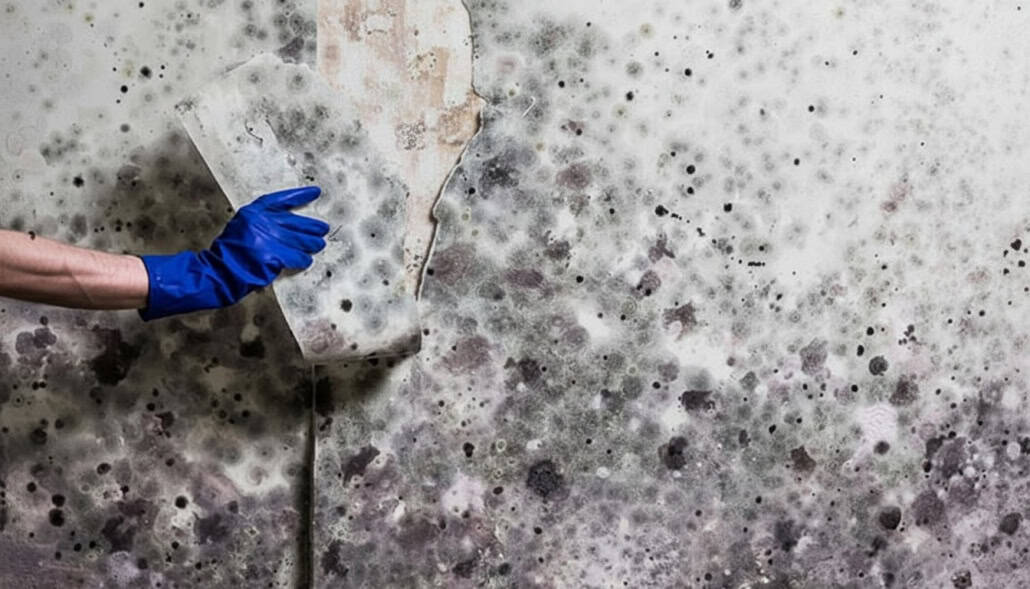
The word “abatement” isn’t one most homeowners use in everyday conversation, but if you’ve discovered significant mould in your home or you’re dealing with the aftermath of water damage — it’s a term you’ll want to understand. In Toronto’s housing market, where a large portion of the residential stock is decades old and basement moisture issues are extremely common, mould abatement is something thousands of homeowners encounter every year.
This guide breaks down what mould abatement actually means, how the process works, what makes Toronto homes particularly susceptible, and what you need to know before hiring someone to do the job.
What Is Mould Abatement?
Mould abatement refers to the process of reducing or eliminating mould contamination in a building and addressing the conditions that allowed it to develop. The term is often used interchangeably with mould remediation, though abatement can carry a slightly broader meaning that includes not just the removal process but also the corrective measures taken to prevent recurrence.
Effective mould abatement is not simply cleaning visible mould off surfaces. It involves:
- Identifying and eliminating the moisture source driving mould growth
- Containing the affected area to prevent spores from spreading during the work
- Removing contaminated materials that cannot be cleaned and salvaged
- Treating affected surfaces with appropriate antimicrobial solutions
- Verifying through testing or inspection that mould levels have been reduced to acceptable levels
- Addressing the underlying conditions — ventilation, waterproofing, humidity — that created the environment where mould could thrive
Done correctly, mould abatement produces a lasting result. Done incompletely, it is only a matter of time before the problem returns.
Why Toronto Homes Are Particularly Susceptible to Mould
Toronto presents a specific set of conditions that make mould a common and recurring challenge for homeowners across the city.
Aging Housing Stock
A significant portion of Toronto’s residential properties were built between the 1940s and 1980s — an era when waterproofing standards, vapour barriers, and ventilation requirements were far less rigorous than they are today. Many of these homes have foundation walls that were never designed to manage the moisture pressures they now face, and original waterproofing materials that have long since degraded.
Older homes in neighbourhoods like East York, Scarborough, North York, and the older inner suburbs frequently have basements with chronic moisture issues that have been present for years sometimes without the homeowner fully realizing the extent of the problem.
Toronto’s Climate and Seasonal Moisture Cycles
Toronto’s climate creates significant seasonal moisture pressure on residential properties. Winters bring heavy snow accumulation that melts rapidly in spring, saturating the soil around foundations. Spring also brings some of the highest annual rainfall. Summer humidity levels keep basements at elevated moisture risk even without active water intrusion.
This combination of snowmelt, spring rain, and summer humidity means Toronto homeowners face a nearly year-round cycle of conditions that support mould development if a home isn’t properly protected.
Urban Drainage Challenges
Toronto’s storm sewer infrastructure particularly in older neighbourhoods was not designed to handle the volume of water that modern rainfall events produce. During heavy storms, sewer systems can become overwhelmed, and the risk of basement flooding from sewer backup or storm drain overflow increases substantially. Flooding events that might seem isolated often affect entire streets or neighbourhoods, and properties that flood once are frequently susceptible to flooding again.
When Is Mould Abatement Required?
Not every spot of mould requires a full professional mould abatement process. Understanding when professional intervention is necessary and when it isn’t helps homeowners make informed decisions.
Professional abatement is generally recommended when:
- The affected area is larger than approximately one square metre (roughly 10 square feet)
- Mould is present inside wall cavities, under flooring, above ceiling tiles, or in the HVAC system
- The mould is the result of a significant water damage event — flooding, a major pipe failure, or long-term undetected seepage
- Anyone in the household has asthma, allergies, respiratory conditions, or a compromised immune system
- The mould has returned after a previous cleaning attempt
- There is a musty odour but no clearly visible source — suggesting hidden growth
- The property is a rental, and a tenant has reported the issue
In Toronto specifically, landlords are legally obligated under the Ontario Residential Tenancies Act and the city’s property standards bylaws to maintain rental properties free of conditions that threaten the health and safety of occupants. Mould that is not properly addressed can constitute a property standards violation, and the City of Toronto’s Municipal Licensing & Standards division has the authority to order remediation and issue fines for non-compliance.
What the Mould Abatement Process Looks Like
Understanding what a professional abatement project actually involves helps set realistic expectations and ensures you can evaluate whether a contractor is doing the job properly.
Initial Assessment and Moisture Investigation
Before any work begins, the source of moisture feeding the mould must be identified. A thorough assessment uses moisture meters to measure saturation levels in walls and flooring, thermal imaging cameras to detect hidden moisture behind surfaces, and visual inspection of all accessible areas. This scoping phase determines the full extent of the problem and informs the remediation plan.
Containment Setup
The work area is sealed off from the rest of the home using plastic sheeting and negative air pressure systems — HEPA-filtered air scrubbers that draw air into the containment zone rather than allowing it to escape into unaffected areas. This step is non-negotiable in a proper abatement process. Without containment, disturbing mould growth spreads spores throughout the home.
Removal of Contaminated Materials
All building materials that have been infiltrated by mould — drywall, insulation, carpet, affected flooring are carefully removed, bagged, and disposed of according to proper protocols. Salvageable structural materials like wood framing are treated and cleaned in place where the extent of penetration allows.
Cleaning and Antimicrobial Treatment
After removal, remaining surfaces are HEPA vacuumed to capture loose spores, then cleaned and treated with appropriate antimicrobial solutions. Where applicable, encapsulants are applied to seal treated surfaces and provide an additional barrier against future growth.
Drying and Verification
The affected area is dried thoroughly using industrial equipment, and moisture readings are taken to confirm that structural materials have returned to acceptable levels before any reconstruction begins. Clearance testing air or surface sampling may be conducted to verify that mould levels in the remediated space are within acceptable ranges.
Reconstruction
Once abatement is complete and verified, reconstruction begins replacing removed drywall, insulation, flooring, and finishing materials to return the space to its pre-damage condition.
Questions to Ask Before Hiring a Mould Abatement Company in Toronto
Not all companies offering mould services in Toronto approach the work with the same level of professionalism or thoroughness. Before hiring, ask:
- Do you identify the moisture source before starting work? A company that jumps straight to cleaning without investigating what’s causing the mould is not offering a lasting solution.
- Do you use proper containment? Ask specifically about negative air pressure and HEPA filtration during the work.
- What materials will be removed versus cleaned in place? A credible company will be clear about what needs to go and why.
- Are you licensed and insured? Verify general liability coverage and workers’ compensation.
- Do you offer clearance testing upon completion? This is how you confirm the job was done successfully.
- Do you handle reconstruction, or will I need to hire a separate contractor? Working with one company for the full process simplifies accountability significantly.
Be cautious of any company that offers an unusually fast timeline, skips the assessment phase, or provides a quote without thoroughly inspecting the space first. Proper mould abatement takes the time it takes companies that cut corners in the process are almost always leaving problems behind.
Protecting Your Home and Your Family
Mould is not a cosmetic issue. In significant concentrations, airborne mould spores can affect respiratory health, trigger allergy and asthma symptoms, and in some cases contribute to more serious health concerns with prolonged exposure. For families with young children, elderly residents, or anyone with a pre-existing respiratory condition, addressing mould thoroughly and promptly is especially important.
Beyond health, unresolved mould damages the structural materials of your home over time weakening framing, compromising drywall, and reducing the value and insurability of the property. The cost of proper abatement is almost always far less than the cost of allowing a mould problem to continue unchecked.
Restoration Mate: Mould Abatement Across Toronto and Beyond
Restoration Mate provides comprehensive mould abatement services for residential and commercial properties across Toronto, Scarborough, Vaughan, Durham Region, Newmarket, Caledon, Ottawa, and all of our service locations. Our teams manage the complete process from moisture investigation and containment through removal, drying, and full reconstruction — so you’re never left coordinating between multiple contractors.
We understand the specific challenges Toronto’s housing stock and climate present, and we work directly with insurance providers to support your claim from assessment through to completed restoration.
Our teams are available 24 hours a day, every day of the year. Contact us today.



Leave a Reply
Want to join the discussion?Feel free to contribute!