Toronto Homes: Will Insurance Cover Water Leak Damage In The Home
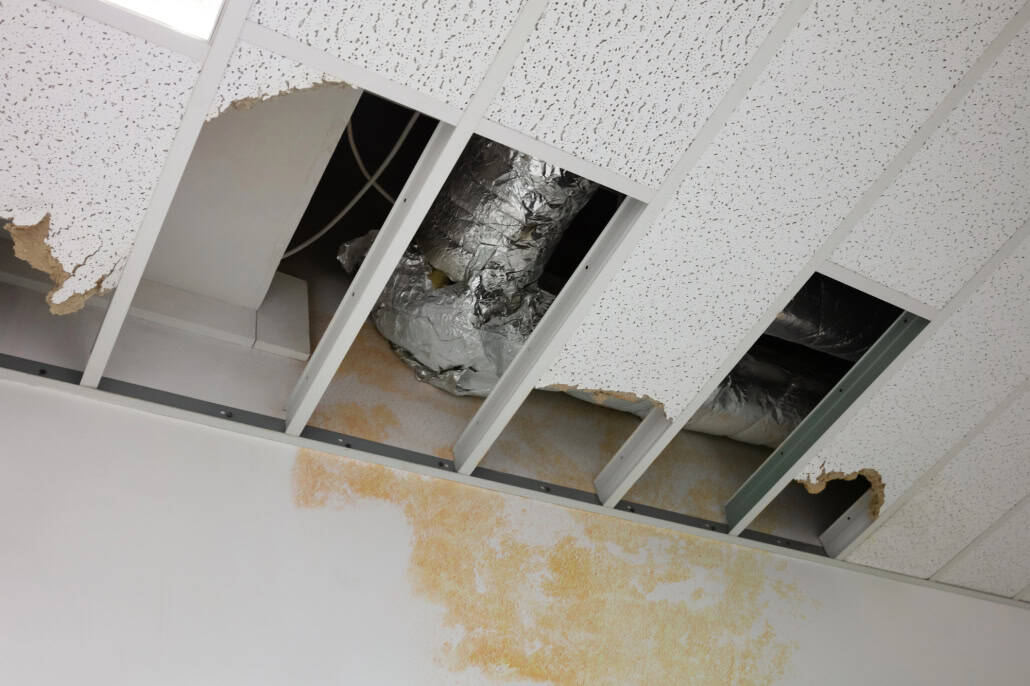
Water damage is one of the most common and costly home insurance claims filed by Canadian homeowners — and also one of the most frequently misunderstood when it comes to what is and isn’t covered. Many Toronto homeowners assume that if water has damaged their home, their insurance will cover it. The reality is considerably more nuanced, and discovering a coverage gap at the moment you need to file a claim is one of the most frustrating experiences a homeowner can face.
Whether you’re dealing with an active water leak right now or simply want to understand your coverage before something goes wrong, this guide breaks down how home insurance typically handles water damage in Ontario — what’s likely covered, what’s commonly excluded, and what steps you can take to protect yourself before and after a water event.
As with any insurance question, the specifics of your situation will always depend on the exact terms of your individual policy. This article is intended to provide general guidance — it is not legal or insurance advice. When in doubt, speak directly with your insurer or a licensed insurance broker.
The Central Question: Was It Sudden, or Was It Gradual?
Before anything else, understanding this single distinction will answer more of your coverage questions than any other factor.
Standard home insurance policies in Ontario are built around the concept of sudden and accidental loss. Insurance is designed to protect you against unexpected events — not against the effects of gradual deterioration, deferred maintenance, or slow-developing conditions that could have been identified and addressed over time.
When a water damage claim is filed, one of the first things an insurer will investigate is how the damage occurred and over what period of time. A pipe that burst suddenly overnight is treated very differently from a pipe fitting that has been slowly dripping for six months. A roof that was punctured by a falling tree branch is treated very differently from a roof whose shingles have been worn through over years of aging.
Sudden and accidental water damage is generally covered. Gradual or long-term water damage is generally not.
Everything that follows flows from this distinction.
Types of Water Damage and How They’re Typically Treated
Sudden Pipe Bursts and Plumbing Failures
A pipe that bursts suddenly — whether from freezing temperatures, a manufacturing defect, or unexpected pressure failure — is one of the clearest examples of a covered water damage event. The resulting water damage to floors, walls, ceilings, personal belongings, and structure is typically covered under a standard Ontario home insurance policy.
The same generally applies to sudden failures of washing machine supply lines, dishwasher connections, hot water heater ruptures, and similar sudden plumbing events.
Important caveats:
- The insurer may investigate whether the failed pipe or component showed prior signs of deterioration that should have prompted maintenance or replacement
- If the home was unoccupied for an extended period without proper precautions (such as draining the water system in winter), coverage may be affected depending on policy terms
- The cost of repairing or replacing the failed pipe itself is typically not covered — insurance covers the resulting water damage, not the source of the failure
Appliance Overflow and Accidental Discharge
Water damage caused by a toilet overflow, a sink that was accidentally left running, or a dishwasher that malfunctioned and discharged water onto the floor is generally covered as a sudden and accidental event — provided it was not the result of a known problem that was left unaddressed.
Slow or Hidden Leaks
This is where many homeowners are surprised at claim time. A pipe fitting that has been slowly dripping inside a wall for weeks or months, a toilet seal that has been seeping gradually, or a slow leak under a kitchen sink that has been quietly saturating the cabinet base — these are typically not covered under a standard home insurance policy.
Insurers take the position that a slow leak, given enough time, would have been detectable and should have been addressed before it caused significant damage. Evidence of long-standing moisture — staining, warped materials, mould growth — often signals to an adjuster that the damage was not sudden.
This is one of the most important reasons to inspect under sinks, around toilets, and near appliances regularly. Catching a slow leak early is not just about preventing damage — it’s about maintaining the kind of property condition that keeps your coverage intact.
Roof Leaks
Roof leak coverage depends significantly on the cause:
Covered: Water damage resulting from a sudden physical event — a storm that damages shingles, a tree limb that punctures the roof deck, hail damage that compromises the membrane. The resulting interior water damage is typically covered.
Not covered: Water damage resulting from a roof that has reached the end of its lifespan, has missing or deteriorated shingles that should have been replaced, or has had known maintenance issues. Insurers treat aging roofs as a maintenance responsibility, not an insurable event.
Toronto homeowners with older roofs should be particularly attentive to this distinction. Having a roof inspected and maintained proactively is both a practical and an insurance-related responsibility.
Basement Flooding from Internal Sources
Water entering a basement from an internal source — a burst pipe, a failed water heater, a sump pump overflow from a pump that failed due to a sudden mechanical defect — is generally treated as a sudden and accidental event and covered accordingly.
The situation becomes more complex when the sump pump fails during a heavy rainstorm and the basement floods as a result. Whether this is covered depends on your specific policy and whether you have sump pump failure coverage — a consideration worth reviewing with your broker.
Sewer and Drain Backup
Water or sewage backing up through a floor drain, toilet, or other drain is not covered under a standard Ontario home insurance policy. Sewer backup coverage must be added as a separate endorsement.
This is a particularly important gap for Toronto homeowners. As discussed in our sewage cleanup guide, Toronto’s combined sewer infrastructure means that basement sewer backups are a real and recurring risk — particularly during heavy rainfall events when the system becomes overwhelmed. Homeowners without sewer backup coverage who experience a backup event face the full cost of cleanup and remediation out of pocket.
If you don’t currently have sewer backup coverage, contact your broker to add it. The annual premium for this endorsement is modest relative to the potential cost of a claim.
Overland Flooding
Overland flooding — water entering your home from rising rivers, lakes, storm surge, or surface runoff that overwhelms the landscape — is not covered under a standard Ontario home insurance policy and requires a separate overland flood endorsement.
This coverage has become more widely available in Canada in recent years as insurers have responded to increasing flood risk, but it is not universally offered in all areas and may come with limitations in high-risk zones. If you live in an area with any history of overland flooding, speak with your broker about whether this coverage is available and appropriate for your property.
Water Damage from a Neighbour’s Unit
In condominium buildings and multi-unit properties, water damage originating from a neighbouring unit — a burst pipe above you, an overflowing tub next door — can create complex coverage questions involving your own insurer, your neighbour’s insurer, and the condo corporation’s master policy.
Generally, your own home insurance policy will cover the resulting damage to your unit, subject to your deductible. Responsibility and recovery between parties is then determined separately. If you live in a condominium, understanding how your unit policy interacts with the building’s master policy is an important part of your overall coverage picture.
Common Reasons Water Damage Claims Are Denied in Ontario
Understanding why claims are denied helps you avoid the situations that lead there.
Gradual or long-term damage — as discussed above, the most common basis for denial. Evidence of staining, mould, or material deterioration that indicates long-standing moisture is a red flag for adjusters.
Lack of maintenance — a roof that needed replacement, plumbing that was known to be aging, a foundation crack that was visible and unaddressed. Insurance is not a maintenance contract.
Vacancy or unoccupancy — most policies have conditions around how long a home can be unoccupied before certain coverages are affected. Extended vacancies in winter without proper winterization can affect pipe-related claims.
Excluded perils — sewer backup, overland flooding, and in some policies, certain types of water ingress are excluded by default. Homeowners who haven’t added the appropriate endorsements may find themselves without coverage for events they assumed were included.
Delayed reporting — most policies require prompt notification of a loss. Significant delays between the event and the claim can complicate or jeopardize coverage.
Steps That Protect Both Your Home and Your Coverage
The actions you take before and immediately after a water event affect both the extent of the damage and the outcome of any insurance claim.
Before a water event:
- Review your policy with your broker and confirm what is and isn’t covered
- Add sewer backup coverage if you don’t have it — particularly in an older Toronto home
- Ask about overland flood coverage if your property has any flood risk
- Maintain your home proactively — roofs, plumbing, sump pumps, and foundation sealing all have direct bearing on your coverage in the event of a claim
- Install a backwater valve if your home is in an area prone to sewer backup (and ask your broker whether this affects your premium or coverage)
Immediately after a water event:
- Contact your insurer promptly — delays in reporting can affect your claim
- Document everything thoroughly with photographs and video before cleanup begins
- Take reasonable steps to prevent further damage — removing standing water where safe to do so, placing protective coverings — but don’t undertake major work before your insurer has been notified
- Work with a restoration company that documents moisture readings, scope of work, and remediation processes in the format that insurers require
Working With Insurance Doesn’t Have to Be Complicated
The insurance process after a water damage event can feel overwhelming — particularly when you’re already dealing with the stress of damage to your home. Working with a restoration company that understands the claims process and can communicate directly with your adjuster removes a significant amount of that burden.
Restoration Mate works directly with all major insurance providers across our service locations. We document every stage of our work in the detail insurers require, communicate directly with adjusters on your behalf, and help ensure that your claim is supported by the evidence and documentation it needs from the very beginning of the project.
Our teams are available 24 hours a day. Contact us for a free estimate — because water damage doesn’t wait for a convenient time, and neither should your response to it.
Serving Toronto, Scarborough, Vaughan, Durham Region, Newmarket, Caledon, Ottawa, Halifax, New Brunswick, and British Columbia.