
Signs You May Have Been Exposed To Black Mold In Your Home
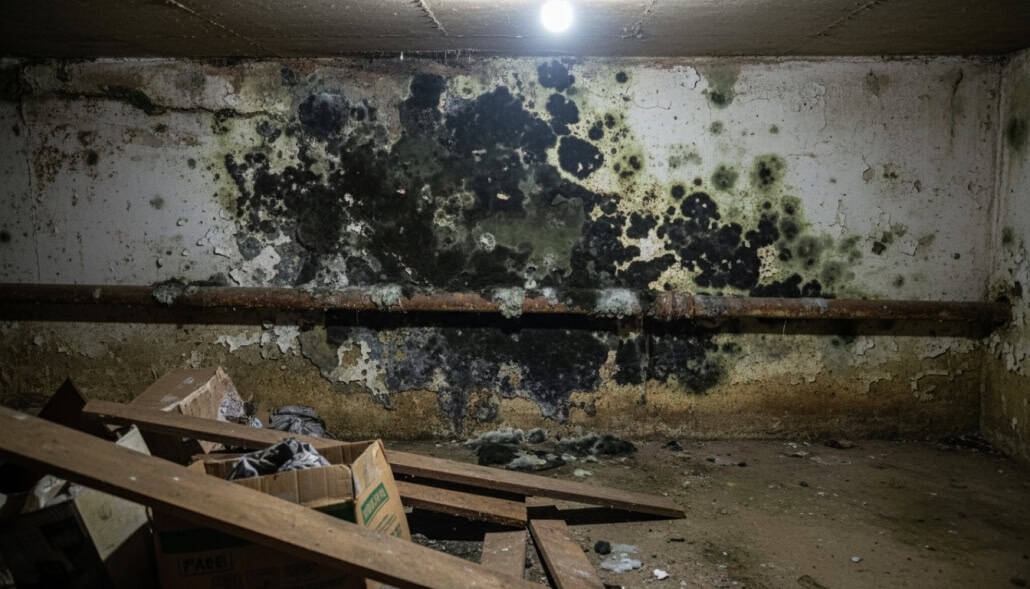
Black mold is one of those topics that generates a great deal of concern — and a fair amount of confusion. The term itself tends to trigger alarm, partly because of how it’s portrayed in the media and online, and partly because the health implications of significant mould exposure are genuinely serious and worth understanding.
What many homeowners don’t realize is that identifying potential black mold exposure isn’t always straightforward. The signs in your home can be subtle, and the health symptoms associated with exposure overlap with many other common conditions — which means people sometimes live with both the mould and the effects of exposure for an extended period without connecting the two.
This post covers what black mold actually is, what signs in your home might indicate its presence, and what symptoms may suggest you’ve been exposed. It is not medical advice — if you have health concerns related to mould exposure, speaking with a physician is always the right step. But understanding the signs is a meaningful first step toward protecting yourself and your household.
What Is Black Mold?
“Black mold” typically refers to Stachybotrys chartarum — a specific species of mould that appears dark greenish-black in colour and is associated with more serious health effects than many other common indoor mould types. It thrives in environments with prolonged, significant moisture — areas that have been continuously damp for weeks or months — and tends to grow on materials with high cellulose content, such as drywall, wood, and paper.
It’s worth noting two things that are commonly misunderstood about black mold:
Not all black-coloured mould is Stachybotrys. Many common mould species can appear dark or black in colour. The only way to confirm the specific species present is through laboratory analysis of a collected sample.
Other mould species can also cause health effects. While Stachybotrys receives the most attention, it is not the only indoor mould type that can affect health. Any significant mould growth in a living environment is worth taking seriously, regardless of its colour.
With that context established, here is what to look and feel for.
Signs in Your Home That Black Mold May Be Present
A Persistent Musty or Earthy Odour
One of the most reliable early indicators of mould growth — including black mold — is a persistent musty smell that doesn’t respond to cleaning or airing out. This odour is produced by microbial volatile organic compounds (MVOCs) released by mould as part of its metabolic activity. It is often described as damp, earthy, or similar to the smell of soil or rotting wood.
If the smell is strongest in a particular area of your home — a basement, a bathroom, a closet, an area near an exterior wall — that location is worth investigating carefully. The smell may be present even when no mould is visible, because the source may be inside a wall cavity, beneath flooring, or in another concealed space.
Visible Dark Staining or Discolouration
Black mold growth, when visible, typically appears as dark greenish-black patches — often irregular in shape and sometimes with a slightly slimy or wet texture when active. It is most commonly found in areas with persistent moisture:
- Behind or around toilets and under bathroom sinks
- On the underside of bathroom or kitchen caulking that has failed
- In basement corners and along the base of walls
- Around window frames and sills where condensation repeatedly accumulates
- On ceiling tiles or drywall beneath a slow roof leak
- Inside and around HVAC vents and air handlers
It’s important not to disturb visible mould growth before a professional has assessed it. Scrubbing or wiping at a mould colony without proper containment releases spores into the air and can worsen exposure.
A History of Water Damage or Flooding
Black mold’s preferred conditions are areas with sustained, prolonged moisture — not a brief splash, but continuous or repeated dampness. If your home has experienced any of the following without thorough professional drying and remediation, the risk of black mold development is elevated:
- Basement flooding, even if it seemed minor at the time
- A burst or leaking pipe inside a wall
- A slow roof leak that went undetected for some time
- A sewage backup
- Any water damage that was dried at the surface without confirming the structure was dry throughout
Water that appears to have been cleaned up on the surface can remain at elevated levels inside walls, under flooring, and in insulation for weeks or months — enough time for black mold to establish itself in those concealed spaces.
Warped, Stained, or Bubbling Surfaces
When moisture is present behind a wall or under a floor for an extended period, it begins to affect the visible surface. Signs to watch for include:
- Paint or wallpaper that is bubbling, peeling, or blistering
- Drywall that feels soft to the touch or appears bowed or warped
- Flooring that is buckling, lifting, or has developed soft spots
- Ceiling tiles with water staining or sagging
- Wood surfaces that appear darker than normal or feel damp
These physical changes don’t confirm black mold specifically, but they confirm that moisture has been present for long enough to damage materials — which is exactly the timeline under which black mold develops.
Symptoms That May Suggest Mould Exposure
The health effects of mould exposure vary widely depending on the individual — their sensitivity, the duration and concentration of exposure, and their overall health. Some people living in mould-affected environments experience significant symptoms; others may notice little or nothing. This variability is one reason mould exposure is often not immediately identified as the cause of health concerns.
The following symptoms are associated with mould exposure, and in particular with prolonged or significant exposure to Stachybotrys. If you are experiencing any of these — especially in combination — and have reason to suspect mould may be present in your home, speaking with a physician and having your home professionally assessed are both worthwhile steps.
Again, this is not medical advice. These symptoms are associated with many conditions beyond mould exposure, and only a physician can properly evaluate and diagnose health concerns.
Respiratory Symptoms
Respiratory effects are among the most commonly reported symptoms of indoor mould exposure. These may include:
- Persistent coughing, particularly dry or irritated coughing without an obvious illness cause
- Wheezing or shortness of breath, especially indoors
- Worsening of existing asthma symptoms
- Chest tightness
- Nasal and sinus congestion that doesn’t respond to typical allergy medications or seems to clear when away from home for extended periods
Frequent Headaches
Recurring headaches — particularly those that improve when spending time outside the home or away on trips — are sometimes reported in association with mould exposure. The connection is not fully understood mechanically, but it is a commonly described symptom pattern.
Chronic Fatigue
A persistent sense of fatigue that isn’t explained by sleep habits, lifestyle factors, or other identified health conditions has been reported in individuals with significant mould exposure. Like headaches, a pattern of fatigue that noticeably improves when spending time away from the home is worth noting and discussing with a physician.
Eye, Skin, and Throat Irritation
Mould spores and the compounds they release can cause irritation to mucous membranes. Symptoms may include:
- Itchy, watery, or red eyes
- Sore or scratchy throat
- Skin irritation or rashes in some individuals, particularly those with sensitivities
Cognitive Symptoms
More significant or prolonged exposure to certain mould toxins has been associated in some studies and case reports with cognitive effects — difficulty concentrating, memory issues, and what is sometimes described as “brain fog.” These are among the less well-understood aspects of mould exposure, and research in this area continues to develop. If you are experiencing unexplained cognitive symptoms alongside other signs on this list, it is worth discussing with a physician.
A Pattern That Points Away From Home
One of the most telling signs of mould-related health effects — as opposed to a seasonal illness or allergy — is a consistent pattern where symptoms are worse at home and improve when away. If your respiratory symptoms, headaches, or fatigue reliably improve on vacations, extended work trips, or visits elsewhere, and return when you come home, that pattern is worth taking seriously.
What To Do If You Suspect Black Mold in Your Home
If the signs described in this post resonate with your experience — a musty smell you can’t locate, a history of water damage, physical changes to surfaces, or health symptoms with the pattern described above — the most important steps are:
1. Don’t disturb the mould. Avoid scrubbing, wiping, or attempting to clean any suspected mould growth before a professional has assessed it. Disturbing mould without containment releases spores and can worsen exposure.
2. See a physician. If you have health concerns related to potential mould exposure, a physician can evaluate your symptoms and advise on appropriate next steps. Be specific about your concerns and the timeline of your symptoms.
3. Have your home professionally assessed. A professional mould assessment — not a home testing kit — is the most reliable way to understand whether mould is present, where it is, and what species are involved. A proper assessment uses moisture meters, thermal imaging, and professional sampling where appropriate to build an accurate picture.
4. Address it promptly. If mould is confirmed, professional remediation that identifies and resolves the moisture source, properly contains the work area, removes contaminated materials, and verifies results is the only approach that produces a lasting outcome.
Restoration Mate: Professional Mould Assessment and Remediation in Toronto
If you suspect black mold or any significant mould growth in your Toronto home, Restoration Mate’s team can conduct a professional assessment and advise on the appropriate remediation approach. We handle the complete process — from initial moisture investigation and containment through removal, structural drying, and full reconstruction — and we’re available 24 hours a day across all of our service locations.
The sooner a mould problem is identified and properly addressed, the better the outcome for both your home and the people in it. We serve the entire GTA. Contact us today to schedule a free estimate.



Leave a Reply
Want to join the discussion?Feel free to contribute!