
Toronto Homeowners’ Guide to Safe and Effective Sewage Cleanup
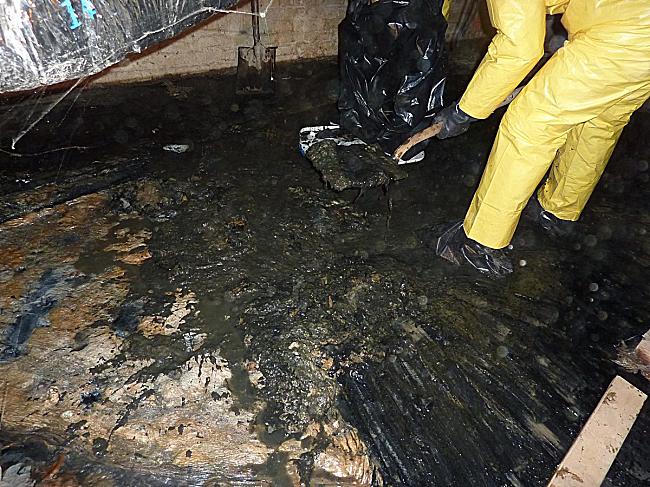
Of all the water damage situations a homeowner can face, sewage backup is among the most serious — and the most urgently in need of professional attention. Unlike a burst pipe or a flooded basement from rainwater, sewage introduces significant biological contamination into your home. The cleanup process is not simply a matter of removing water and drying things out. It involves hazardous material handling, thorough sanitization, and a level of care that goes well beyond what most homeowners are equipped to manage safely on their own.
If you’ve experienced a sewage backup in your Toronto home — or want to understand what to do if it happens — this guide covers everything you need to know, including why it happens, what the risks are, and how the cleanup process works when it’s done properly.
Why Sewage Backups Happen in Toronto Homes
Toronto’s sewer infrastructure is a significant factor in how frequently sewage backups occur across the city. Much of Toronto’s older residential infrastructure relies on a combined sewer system — a single pipe that carries both stormwater and sanitary sewage. During heavy rainfall events, these combined systems can become overwhelmed, and the excess pressure forces sewage back up through the lowest drain in a home — typically a basement floor drain, a laundry tub, or a ground-floor toilet.
Beyond infrastructure-related causes, sewage backups in Toronto homes are also commonly caused by:
- Blocked or collapsed lateral lines — the pipe connecting your home to the city’s main sewer, which can become obstructed by tree roots, grease buildup, or physical deterioration over time
- Failed or overwhelmed sump systems — particularly in homes where the sump is connected to the sanitary rather than storm system
- Aging clay or cast iron pipes — common in Toronto homes built before the 1970s, which are prone to cracking, root intrusion, and gradual collapse
- Blockages within the home’s internal plumbing — significant clogs that cause sewage to back up into lower fixtures
Toronto homeowners in older neighbourhoods — Leslieville, Riverdale, Roncesvalles, Scarborough, North York, and much of the inner suburbs — are statistically more likely to experience sewage backup events, both because of the age of local infrastructure and the prevalence of combined sewer systems in these areas.
Understanding the Health Risks
Sewage water — also referred to as Category 3 water or “black water” in the restoration industry — is classified as highly contaminated. It contains a complex mixture of bacteria, viruses, parasites, and other pathogens that pose genuine health risks to anyone who comes into contact with it.
Common pathogens found in sewage include E. coli, Hepatitis A, Salmonella, and Norovirus, among others. These can be transmitted through direct skin contact, inhalation of contaminated droplets or dried particles, and accidental ingestion.
Even after the visible sewage has been removed, contamination remains in any porous material the water touched — flooring, drywall, insulation, wood framing, and stored belongings. This is why proper sanitization is not optional in a sewage cleanup — it is what separates a safe outcome from one that leaves an ongoing health hazard in your home.
Children, elderly household members, and anyone with a compromised immune system are at elevated risk and should remain out of the affected area entirely until professional cleanup and clearance is complete.
What Not to Do After a Sewage Backup
When sewage enters your home, the instinct is to act fast and start cleaning up. That urgency is understandable — but there are several things that can make the situation significantly worse or put your health at risk.
Avoid these common mistakes:
- Do not enter the affected area without proper protection — at minimum, rubber boots, waterproof gloves, and eye protection are required before any contact with sewage-contaminated water or materials
- Do not use a standard wet/dry vacuum or household mop to remove sewage water — these tools are not rated for contaminated water and can spread pathogens further into your home and HVAC system
- Do not run fans or your HVAC system in or near the affected area — circulating air through a sewage-contaminated space can spread biological contaminants into unaffected areas of your home
- Do not attempt to clean porous materials like drywall, insulation, or carpet that have been in contact with sewage — these cannot be safely decontaminated and must be removed
- Do not assume the backup is fully cleared once water stops flowing — the source of the blockage or backup needs to be identified and resolved, or the problem will recur
The Safe and Effective Sewage Cleanup Process
Professional sewage cleanup follows a specific sequence that addresses both the immediate contamination and the underlying conditions that caused it. Here is what a properly managed sewage cleanup involves.
Step 1: Assessment and Safety Evaluation
Before any cleanup begins, the source and extent of the contamination needs to be established. This includes identifying where the sewage entered, how far it spread, which materials were affected, and whether there are any electrical or structural safety concerns in the affected area.
Power to the affected area should be confirmed off before anyone works in standing sewage water. If the electrical panel is located in the basement and is near the contamination, your utility provider or a licensed electrician should be consulted before entry.
Step 2: Sewage Extraction
Industrial pumps and extraction equipment — not household tools — are used to remove standing sewage water quickly. The contaminated water must be properly contained and disposed of according to applicable regulations, not simply discharged into a yard or storm drain.
Step 3: Removal of Contaminated Materials
Every porous material that came into contact with sewage must be removed. This is non-negotiable and is not a matter of how saturated the material appears. Drywall, insulation, baseboards, carpet, underpad, and any other affected porous material need to come out, be bagged appropriately, and be disposed of as contaminated waste.
Attempting to dry and keep these materials is not a safe or effective approach to sewage cleanup. The biological contamination embedded in them cannot be eliminated through drying alone.
Step 4: Thorough Cleaning and Disinfection
After contaminated materials are removed, all remaining surfaces — concrete floors, foundation walls, structural framing, any hard-surface materials that were retained — are cleaned and disinfected using EPA-registered antimicrobial disinfectants appropriate for sewage contamination. This step requires multiple passes and appropriate dwell time for disinfectants to be effective.
HEPA vacuuming is also used to capture any dried particles or spores before wet cleaning begins.
Step 5: Structural Drying
Once the area is cleaned and disinfected, the drying process begins in earnest. Industrial air movers and dehumidifiers bring down moisture levels in structural materials that were exposed to sewage water. Moisture readings confirm when materials have reached acceptable levels before reconstruction begins.
This step is particularly important because elevated moisture remaining in structural materials after sewage cleanup creates ideal conditions for mould growth — adding a secondary problem on top of the original contamination event.
Step 6: Deodorization
Even after thorough cleaning and drying, sewage odours can persist in the affected space. Professional deodorization — using hydroxyl generators, ozone treatment, or thermal fogging depending on the situation — eliminates odour at the molecular level rather than simply masking it.
Step 7: Reconstruction
Once the space has been fully cleaned, disinfected, dried, and cleared, reconstruction can begin. New drywall, insulation, flooring, and finishing materials are installed to return the affected area to its pre-damage condition.
Does Your Home Insurance Cover Sewage Backup?
This is one of the most common questions Toronto homeowners ask after a sewage event — and the answer depends on the specifics of your policy.
Standard home insurance policies in Ontario typically do not automatically include sewer backup coverage. It is usually available as an add-on endorsement, and coverage limits vary significantly between providers and policies.
If you have sewer backup coverage, the cleanup and restoration process described above is typically covered up to your policy limit — including water extraction, material removal, drying, and reconstruction. Thorough documentation of the damage — photographs and video before any cleanup begins — is essential to supporting your claim.
If you are unsure whether your policy includes sewer backup coverage, contact your insurer or broker directly. Going forward, if your policy doesn’t include it, it is worth adding — particularly for Toronto homeowners with older homes or properties in areas with a history of flooding and backup events.
Protecting Your Home From Future Sewage Backups
After experiencing a sewage backup, most homeowners want to understand what they can do to reduce the risk of it happening again. Depending on the cause of the original event, preventive options may include:
- Backwater valve installation — a device installed on your home’s main sewer line that automatically closes when sewage begins flowing in the wrong direction, preventing backup from entering the home. The City of Toronto offers a subsidy program for backwater valve installation for eligible homeowners.
- Sump pump upgrade — if your sump system contributed to the backup, upgrading to a higher-capacity unit with a battery backup can reduce risk significantly
- Lateral line inspection and repair — a camera inspection of the pipe connecting your home to the city sewer can identify root intrusion, blockages, or deterioration before they cause a failure
- Proper disposal habits — fats, oils, grease, and non-flushable wipes are among the leading causes of residential sewer blockages and should never be put down drains or toilets
Sewage Backup in Your Toronto Home? Call Immediately.
Sewage cleanup is a time-sensitive emergency. The longer contaminated water sits in contact with your home’s materials, the more extensive the damage and the greater the health risk. This is not a situation where a wait-and-see approach is appropriate.
Restoration Mate provides 24/7 emergency sewage cleanup and restoration services across Toronto, Scarborough, Vaughan, Durham Region, Newmarket, Caledon, and all of our service locations. Our teams are equipped to manage the complete process — from safe extraction and contaminated material removal through thorough disinfection, drying, and full reconstruction. We work directly with insurance providers and understand the documentation requirements for sewer backup claims.
When sewage enters your home, one call is all it takes to get the right team on the way. Contact us today to see how we can help, we provide emergency response 24/7 in the GTA.



Leave a Reply
Want to join the discussion?Feel free to contribute!