6 Things that May Cause Annoying Basement Odors
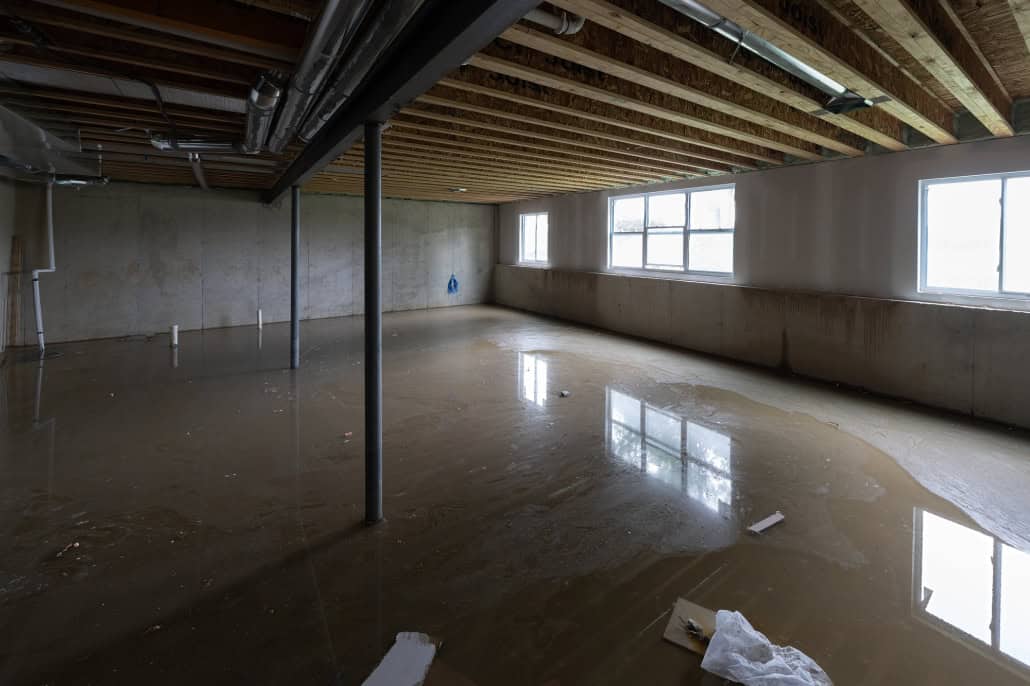
That musty, unpleasant smell drifting up from your basement isn’t just a nuisance — it’s often your home trying to tell you something. Basement odors are rarely random. In most cases, they point to an underlying moisture or structural issue that, if left unaddressed, can lead to more serious damage over time.
Here are six common culprits behind basement odors, and what you should know about each one.
1. Cracks in the Foundation or Walls
Foundation cracks might seem like a structural concern first and a smell concern second — but the two are closely connected. Even hairline cracks allow groundwater and soil moisture to seep into your basement. That moisture sits against concrete and framing materials, creating the damp conditions that produce that familiar “old basement” smell.
What to watch for:
- Visible cracks along basement walls or the floor
- Staining or discolouration around crack lines
- A smell that gets worse after heavy rain
Cracks should always be assessed by a professional, as some indicate foundation movement that goes beyond a simple odour fix.
2. Condensation
Condensation happens when warm, humid air meets the cooler surface of your basement walls, pipes, or floors. The result is moisture droplets forming on surfaces — often without any visible leak or crack to blame.
Over time, this repeated cycle of moisture buildup breaks down materials, creates water stains, and feeds odour-causing bacteria and organic growth.
Common signs of condensation issues:
- Water droplets or wet spots on walls or pipes, especially in summer
- Damp-feeling surfaces with no obvious leak source
- Musty odours that are worse during warmer months
Improving ventilation and managing indoor humidity levels are key first steps in addressing condensation.
3. Leaking Pipes
A slow pipe leak is one of the sneakier sources of basement odours. Because many pipes run through walls, ceilings, or under flooring, the leak itself may be completely out of sight — while moisture is quietly soaking into surrounding materials and producing a persistent smell.
Signs a pipe leak may be the source:
- Unexplained increases in your water bill
- Water stains on ceilings or walls near plumbing
- A smell that seems to come from one specific area of the basement
- Soft or warped flooring near plumbing lines
If you suspect a hidden leak, it’s important to have it investigated quickly. The longer water sits in building materials, the greater the risk of structural damage and mold growth.
4. High Humidity
Humidity alone — even without an active leak or visible moisture — can be enough to create noticeable basement odours. Basements naturally trap humid air, and without proper airflow, that humidity saturates walls, insulation, stored items, and wood framing.
High basement humidity is especially common in spring and summer, when outdoor air is warm and moist and your basement is comparatively cool.
Simple steps to manage humidity:
- Use a dehumidifier rated for your basement size
- Ensure dryer vents exhaust outside, not into the basement
- Check that your HVAC system is functioning properly
- Avoid storing items directly against basement walls
A humidity level between 30–50% is generally considered healthy for indoor spaces.
5. Weeping Walls
“Weeping walls” refers to basement walls that show visible water seeping or trickling through them — usually the result of hydrostatic pressure pushing groundwater through the foundation. It’s most noticeable after prolonged rain or during spring snowmelt.
Beyond the obvious water intrusion, weeping walls create constantly damp surfaces that become a breeding ground for odour-causing microorganisms. The smell is often described as earthy, damp, or similar to wet soil.
Signs your walls may be weeping:
- Visible water streaks or trickles on basement walls
- White chalky residue (called efflorescence) left behind as water evaporates
- Persistent dampness even during dry weather
- Musty odours concentrated near exterior walls
Weeping walls typically require professional waterproofing solutions to address the root cause effectively.
6. Mold and Mildew
Mold and mildew are among the most common — and most important — sources of basement odours. Where there is persistent moisture, mold and mildew will eventually follow. They can grow on virtually any organic material, including wood, drywall, insulation, cardboard, and fabric.
The smell associated with mold is often described as musty, stale, or earthy. In some cases, you may smell mold before you can see it, especially if growth is occurring behind walls or under flooring.
Why this matters beyond the smell:
- Mold can compromise structural materials over time
- Prolonged exposure to mold spores can affect indoor air quality
- Mold will continue to spread if the underlying moisture source isn’t resolved
If you notice a persistent musty smell and can’t identify a visible cause, mold growth inside wall cavities or under floors is a real possibility worth investigating.
Don’t Ignore What Your Nose Is Telling You
Basement odours are easy to write off as just part of owning an older home — but they’re usually a signal that moisture is present somewhere it shouldn’t be. Catching these issues early almost always means a simpler, less costly fix.
If you’re noticing persistent smells, visible moisture, or any of the warning signs listed above, it’s worth having a professional take a look before the problem grows.
Restoration Mate provides 24/7 emergency response and full-service water damage, mold remediation, and basement moisture assessments across our service locations. If you’re concerned about what’s happening in your basement, our team is ready to help — any time of day or night. Contact us to schedule a free estimate.